
 Matthew Bissett
Oil and Gas
As someone who was born and raised here in Alberta, I have nothing but love for our energy industry. When it comes to the world needing oil and gas, I want as much of that to come from our great province as possible. I also want us to continue being the energy specialists that many parts of the world have looked to over the decades for innovation.
However, we find ourselves at a crossroads here in Alberta when it comes to world energy demand. The demand for natural gas remains high. Countries have been coming to Canada from all over and asking us to build more liquified natural gas (LNG) lines to increase our export capacity. That is a great thing. Natural gas is an affordable and a reliable fuel for things like electricity production.
Oil however is a question mark. Demand may continue going up, but it may also plateau or even go down. Right now, our provincial government is so focused on the idea that oil demand will only go up. Unfortunately, demand for oil is largely driven by the need for gasoline. This is changing, and we only need to look to countries like China to see that. Outside of Canada, the demand for electric vehicles is increasing. This is going to take a toll on long-term demand.
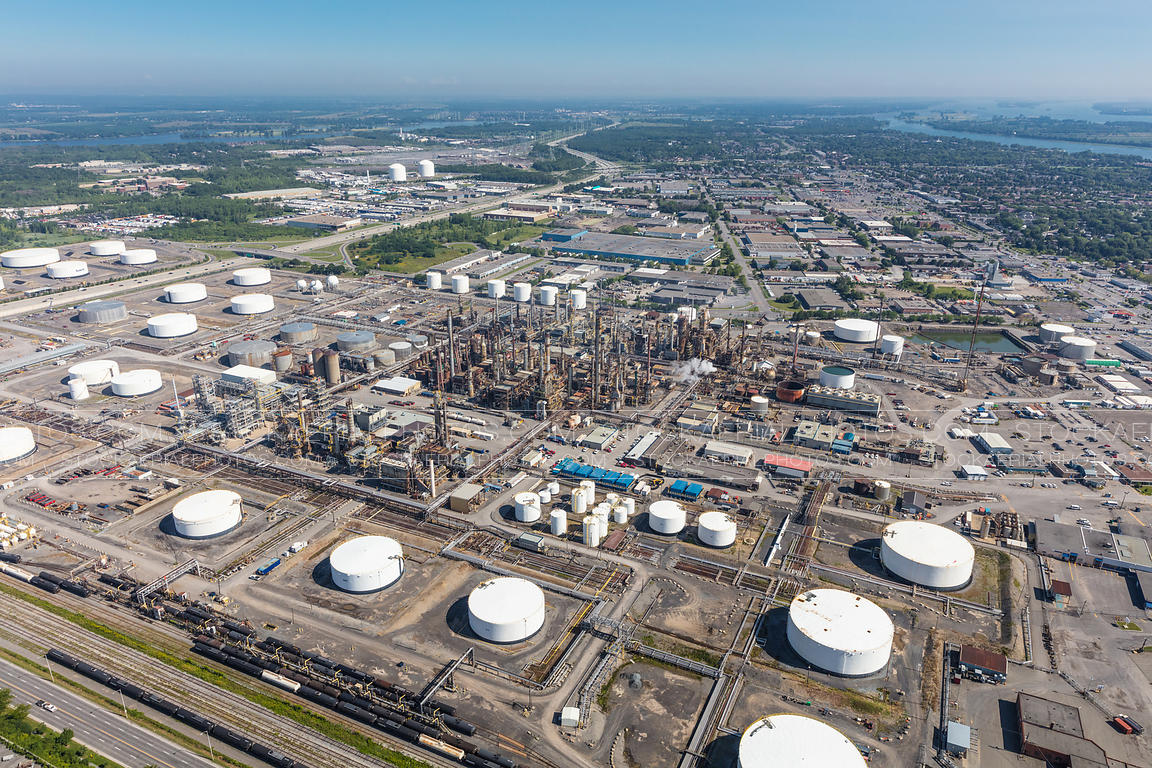
Why is this a problem? I want to be clear. I have no problem with further export capacity for our oil, but it should be paid for by private companies. Currently, the UCP is proposing pipelines that are largely publicly funded that may cost over $100 billion (to Vancouver and Ontario). Private companies have decided they are only interested in a 10% stake in those lines. Governments operate on tax dollars, and right now the UCP want to use yours to build pipelines that private industries see as too risky. If they aren’t willing to take that risk, then why should you?
Here is another issue. The UCP seems to have not only forgotten how fiscal conservatism works, but they have also forgotten a basic principle of economics. If we output another 1 million barrels of oil per day, what does that do to the price that we receive for it? It goes down, unless demand goes up to meet that increase. What could that do to government revenues that are being counted on to fund these proposed pipelines? They’d go down too.
At this moment, for the next five years it is likely that demand would meet that supply. However, we have not even actually approved the lines for construction, and it will take years to build them if and when they are approved. Will the demand still be there by that time? If that was a guarantee we would have private companies lining up out the door to build them; regulatory red tape or not.
With the present course of research and development in energy, it is unlikely that demand will still be high enough to justify the cost of these lines. Who will get left holding the tab on government funded projects that don’t pan out? Same person that always has. You, the taxpayer. This is my concern and why I am only in favour of new lines if they are not government funded.
Simply put, yes to oil development. No to it being publicly funded.
Electricity
This is a major subject right now in Alberta. Our electricity grid is almost maxed out as it stands today, and that is after a new natural gas power plant went online in 2024. Now we are seeing an increase of electric vehicles on the road and talking about data centers, not to mention the rapid expansion in housing and businesses to support our growing population. Where will all of that electricity come from, and how can we ensure that you are best able to use it?
For the time being, I think it makes sense to continue with natural gas use for electricity generation. We have a large supply of it, and the technology is constantly getting cleaner. The last facility that was built in 2024 produces 50% more electricity than previous facilities using the same amount of gas, and output 30% less emissions than the prior coal-to-gas conversions. There are also numerous other generation methods we are using, such as solar and wind. Other generation options that are upcoming in development would be new nuclear reactors or even geothermal.
Those sources can make up where it is going to come from part, but we certainly need to do a better job of spurring more of those facilities into production. With solar in particular, I personally am not yet sold on it for my home in terms of cost/benefit. The main drawback for me is that Alberta has it capped so that you can’t install a solar system that produces more than you typically use and thus limits the benefit of the investment. What if we change that? If people are able and want to put solar on their homes and produce more electricity for a grid that is already struggling, why not? I’m all ears regarding your thoughts on that!
When it comes to your access to electricity, we shouldn’t just be talking about making sure there is enough. We need to discuss how people are going to access and use it. For example, in Alberta we currently have our building codes set to a minimum 100A service for single family homes. While some builders are putting in bigger 200A service boxes, it is not required. It is however needed.
Once a single-family home deals with basic appliance set up and all of the electronics that are fairly standard, that 100A box is close to capacity. Now add in an A/C unit. Your box is suddenly full. Remember how I discussed electric vehicles becoming more and more prominent worldwide? Where is that going to fit in?
Our building codes, particularly in this regard, are out of date. We need to move forward with putting 200A boxes as the standard for new home builds.
It is understandable that Canadians have been reluctant to adopt electric vehicles (EVs) in large numbers. When it comes to batteries there has been a simple truth; the charge in a battery goes down when it’s cold. We’ve all experienced temperatures below -30. It takes a toll on a battery’s ability to maintain a reliable charge. This makes our hesitancy understandable, but manufacturers understand that too. Researching this problem has become top of mind for many producers of EV batteries. Huge strides have occurred in the past year alone.
I’ll be very brief regarding data centers. I’m happy to have investment enter Alberta, but there needs to be more transparency about what is being proposed and no exclusions when it comes to impact assessments. Most importantly for this topic, the electricity generation facilities that are being built to power them need to be online BEFORE the data center. Not the other way around. Your needs should come first.
We need to be ready with an electricity generation grid that will meet future demand and ensure that homes are equipped for what is coming. It’s about generating solutions to things like this before they become a problem. A government that looks at the whole picture and puts forward solutions that work for you is what you need and deserve; especially when it comes to being able to affordably keep the lights on.